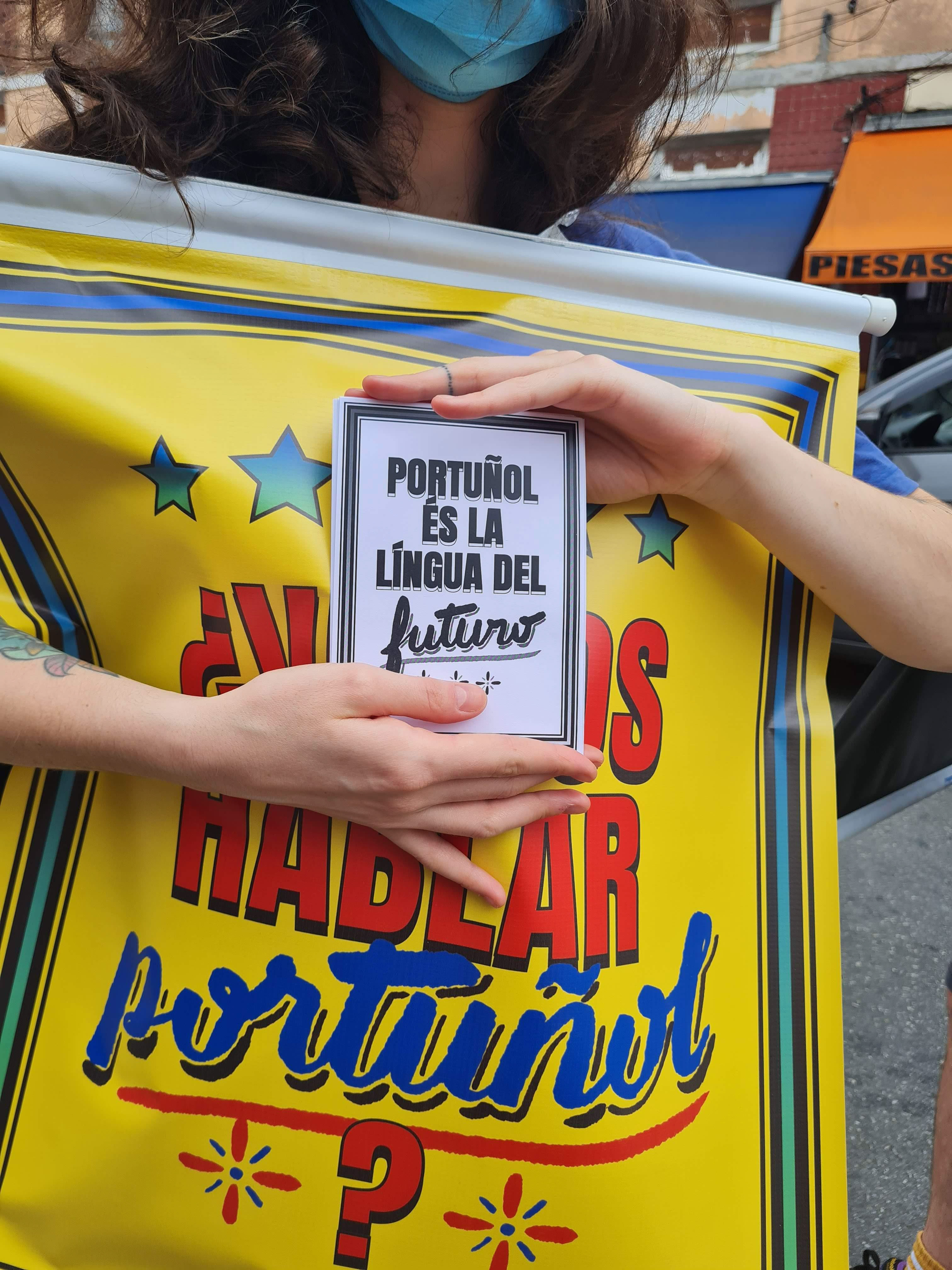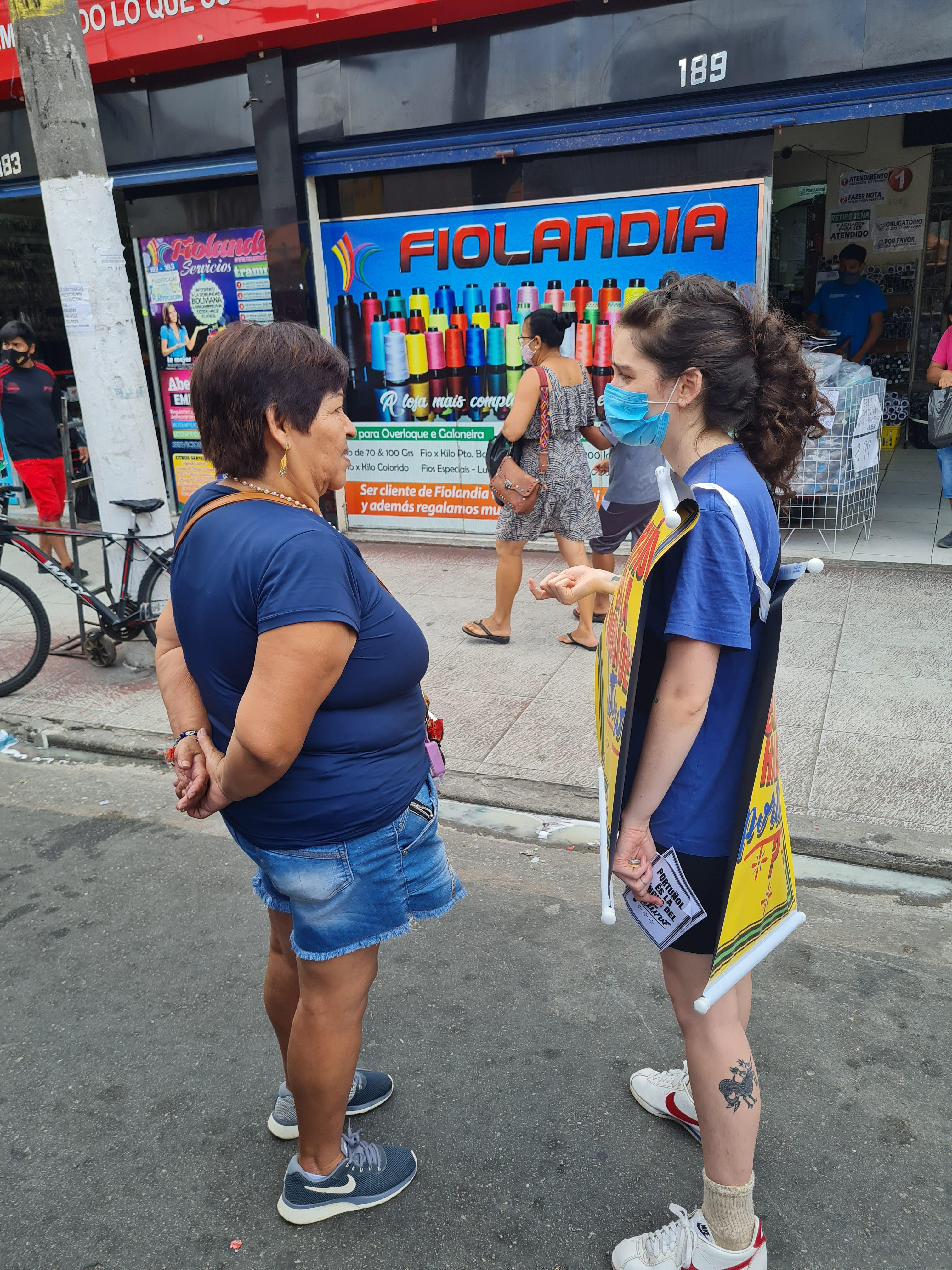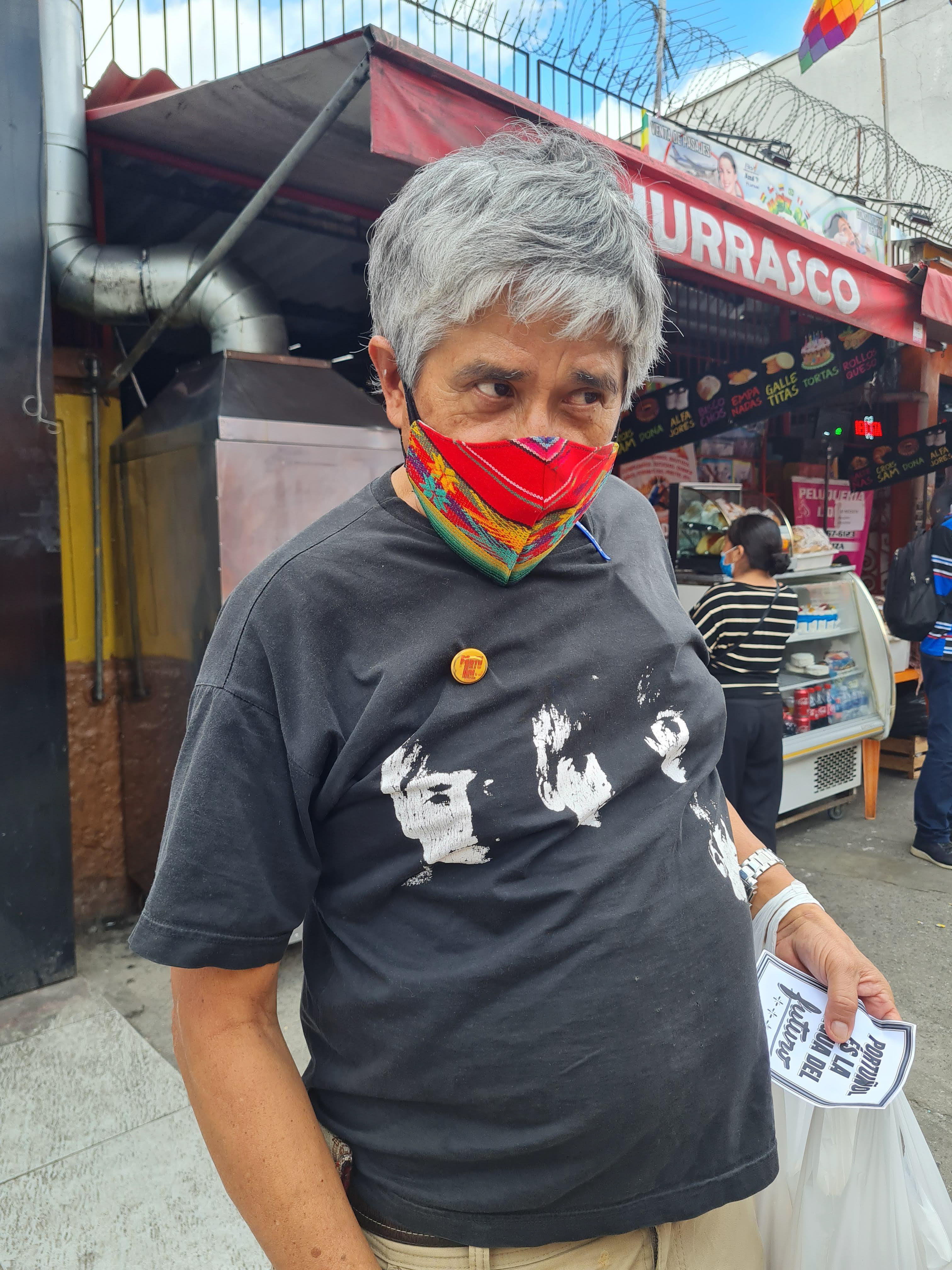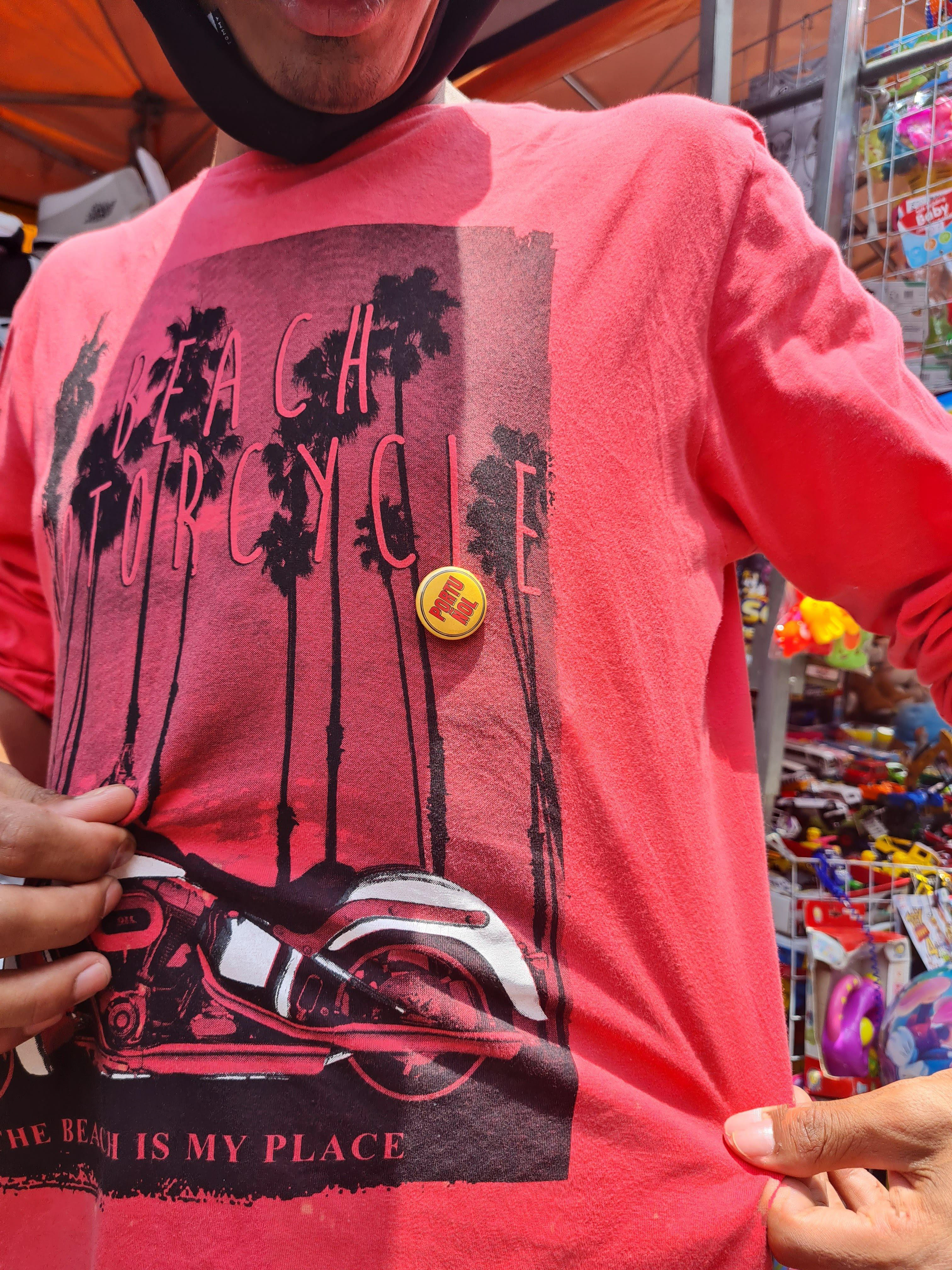

Portuñol és la língua del futuro
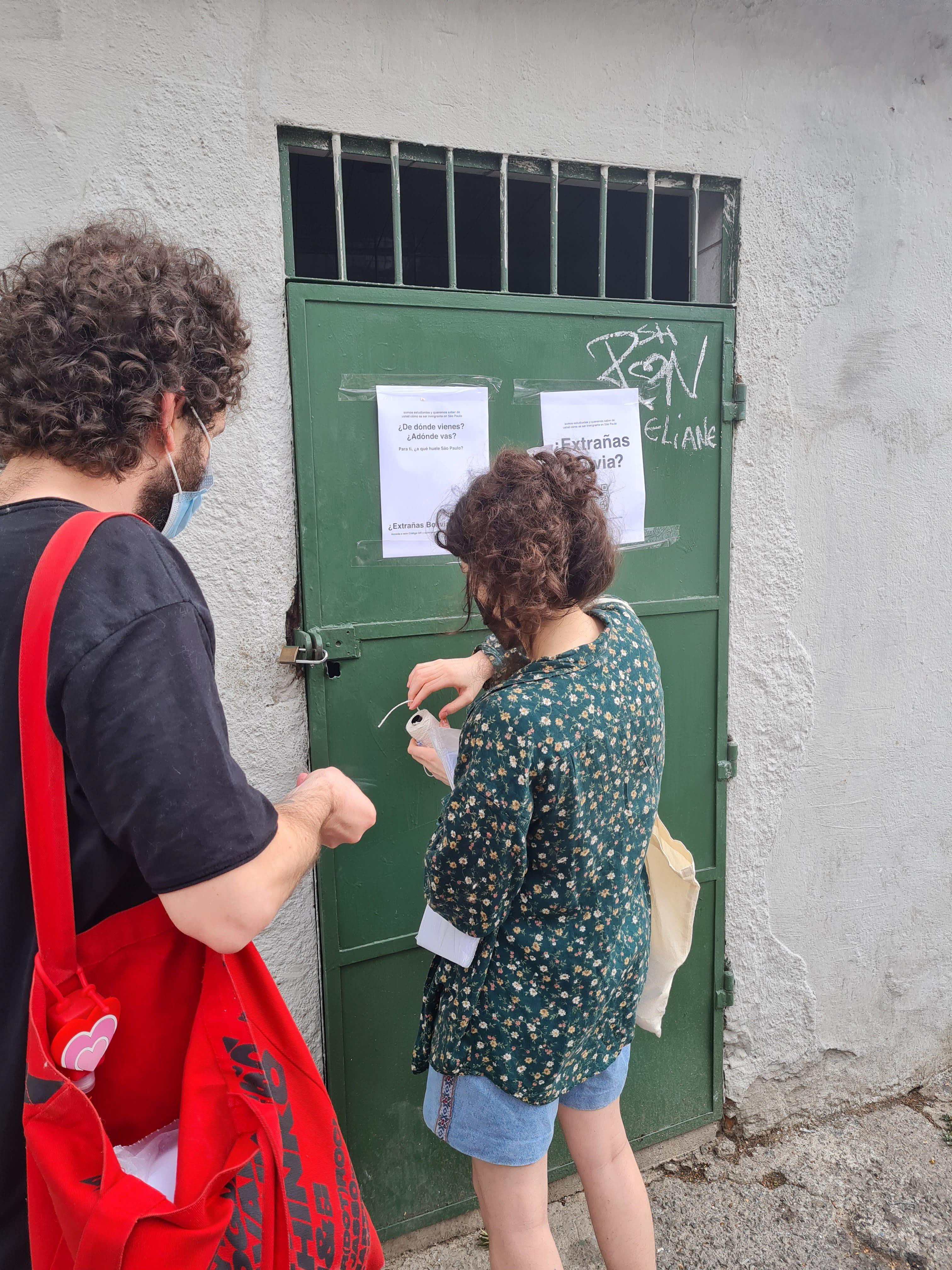
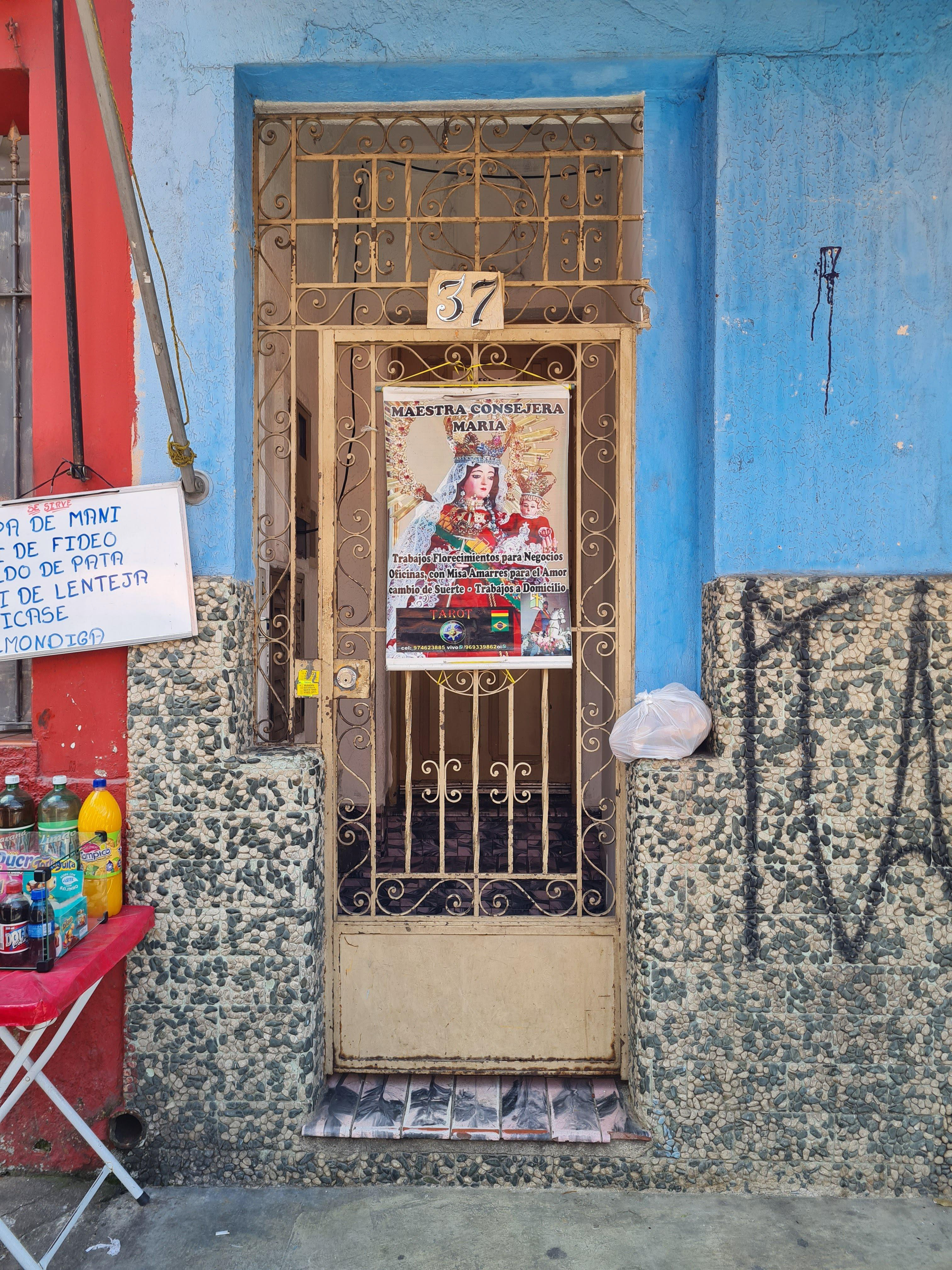
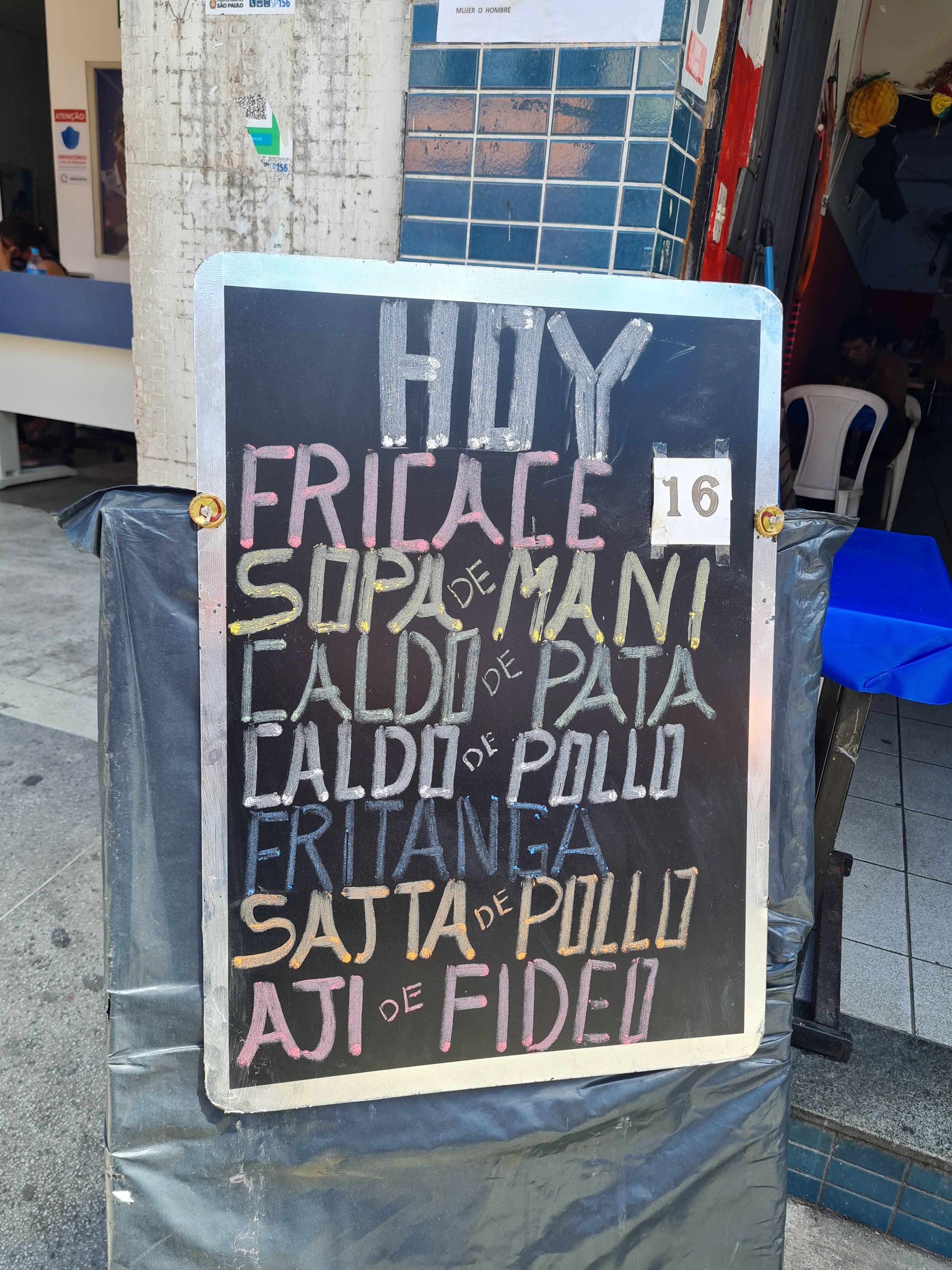
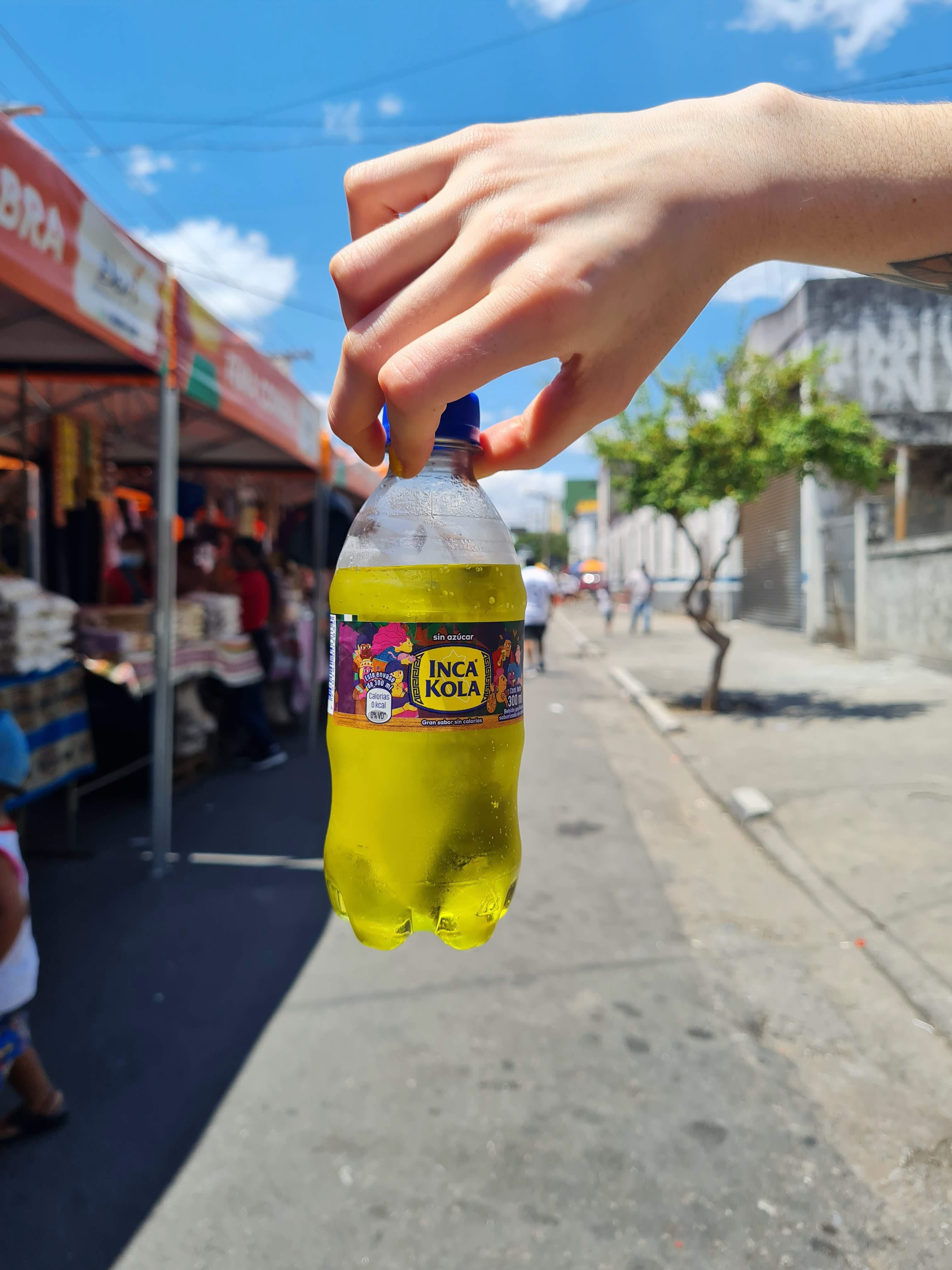
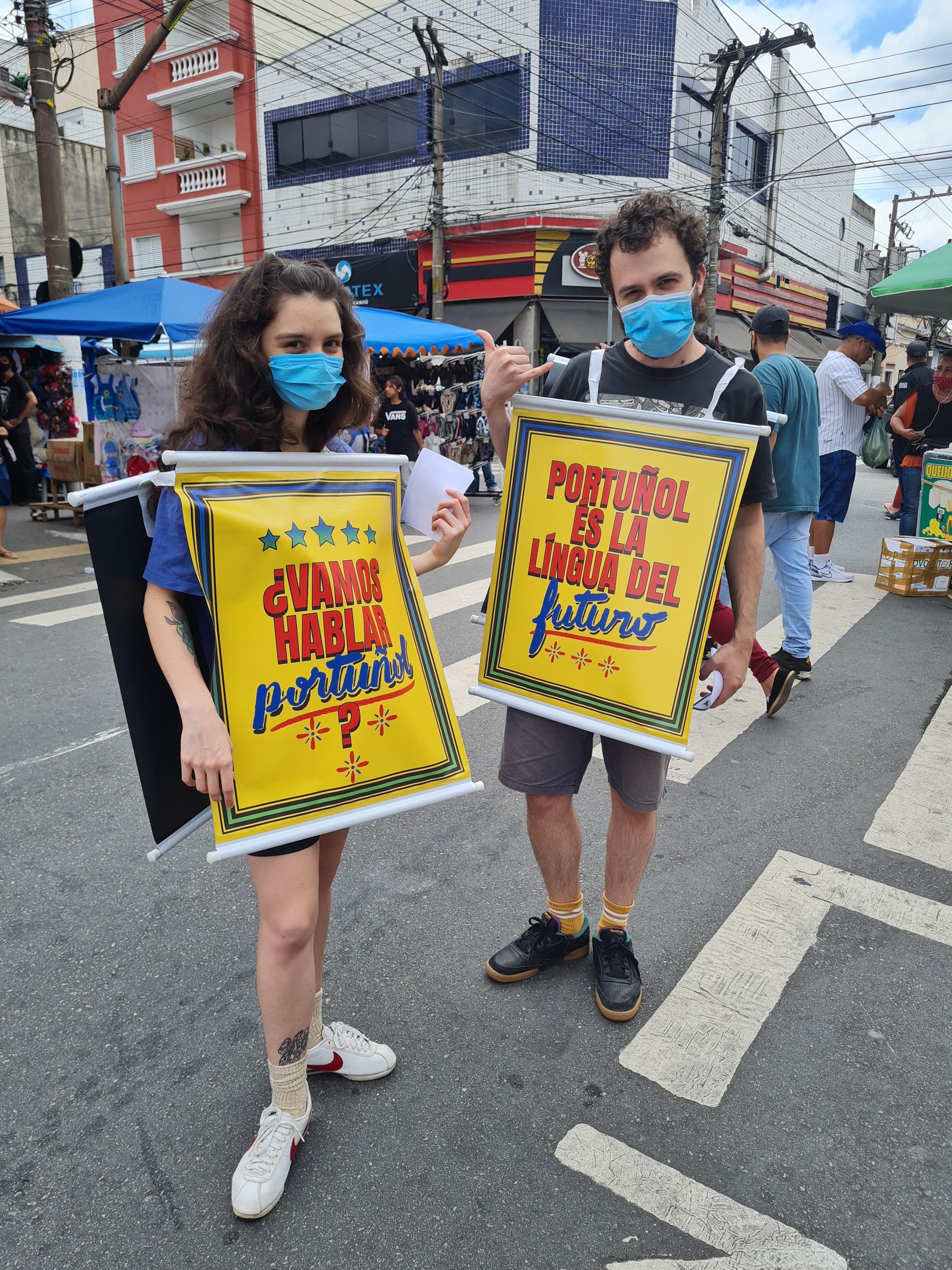
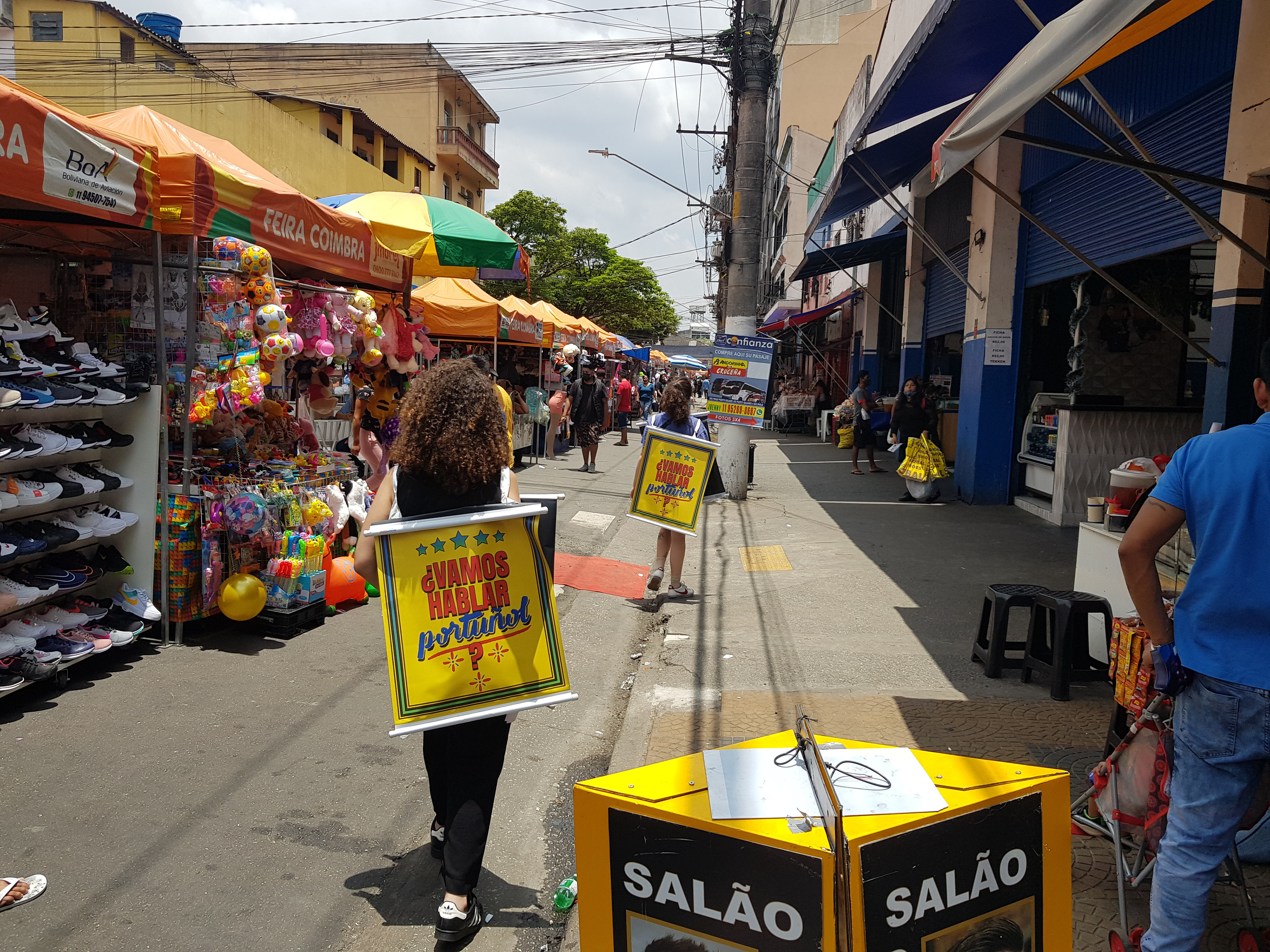
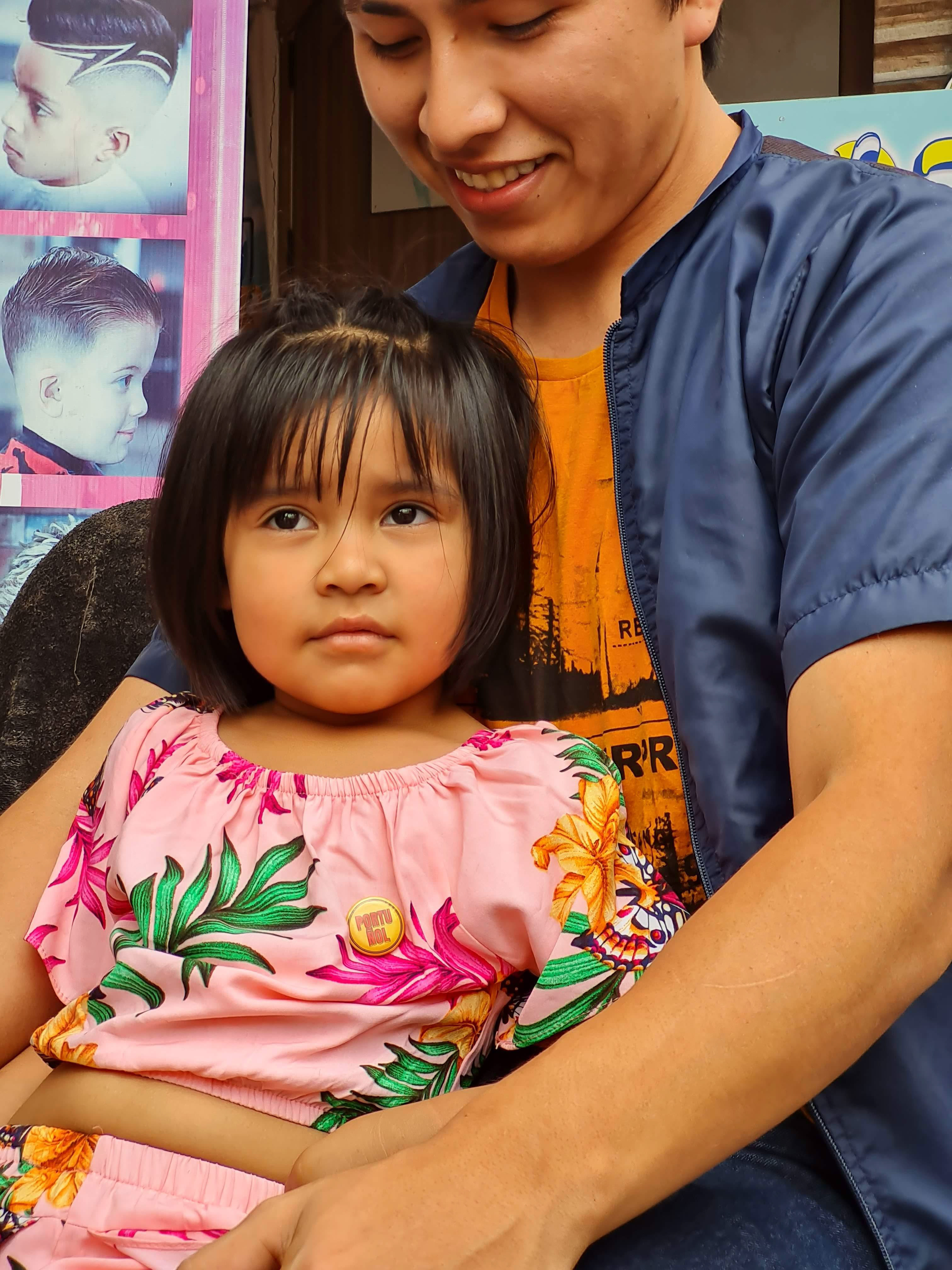
How do communities interact in different territories? In an immigration context, how does the appropriation of the city become a tool for resistance and cultural preservation? In this graphic and performative experiment, we observe how language is a crucial element of resistance, connection, and belonging.
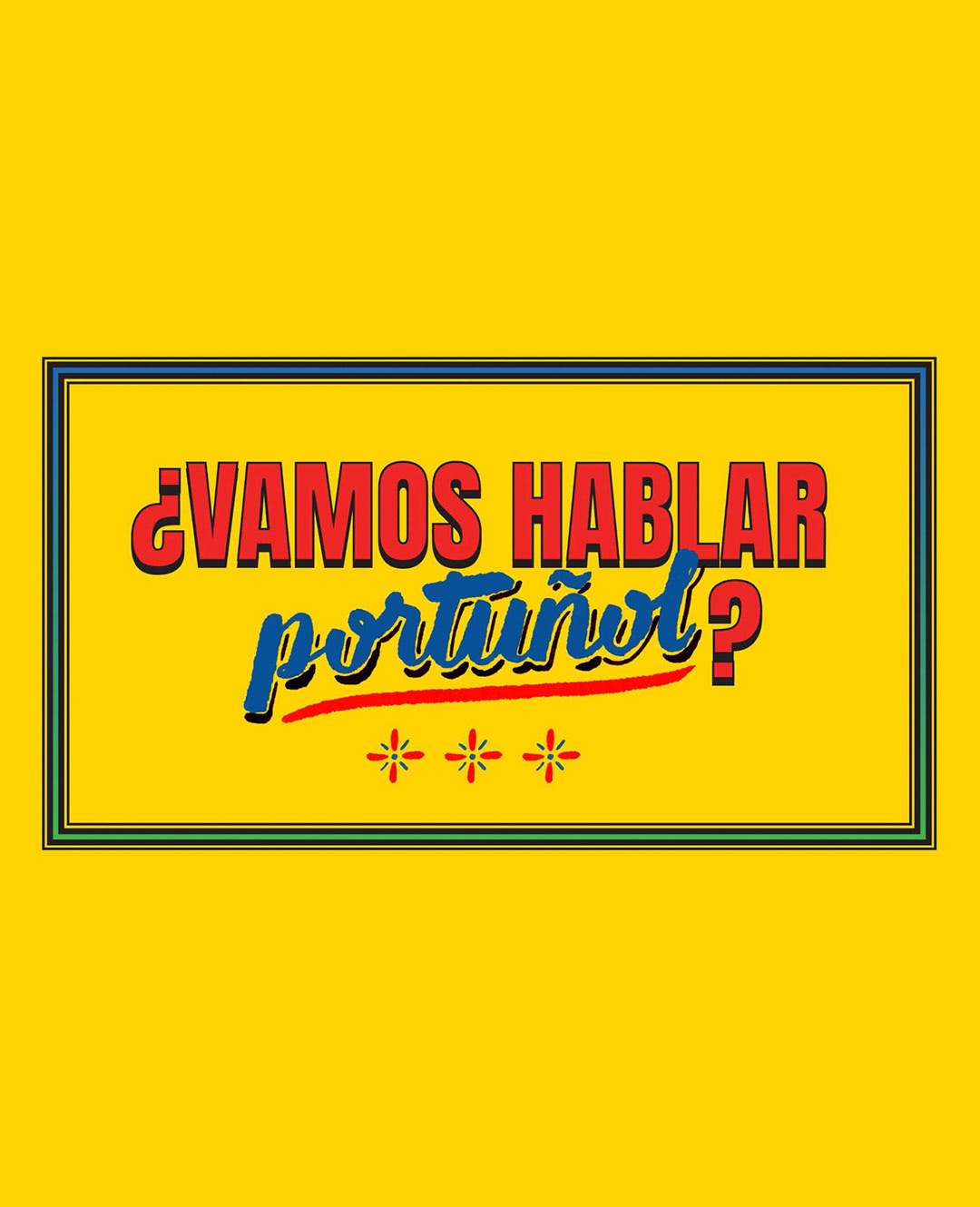
¿Vamos hablar Portuñol?
Cultural Narrative & Linguistic Identity Research
Context: Developed within the postgraduate program Graphic Design and the City at Escola da Cidade, Vamos Hablar Portuñol? investigates the linguistic hybridity emerging along the Brazilian–Latin American border. The project explores Portuñolnot as a mistake or informal dialect, but as a cultural construct shaped by mobility, proximity, and exchange.
My Role: Research development; narrative structuring; editorial direction; visual and conceptual positioning.
Challenge: To reposition Portuñol from a peripheral linguistic phenomenon to a central cultural expression — articulating its social, political, and territorial implications through a coherent narrative and visual system.
Strategy: The project combined historical research, sociolinguistic references, and visual experimentation to construct an editorial framework that treated language as territory. Textual analysis and graphic systems were developed in parallel, translating hybridity into both written and visual form. The narrative was structured to reveal how informal linguistic practices reflect deeper dynamics of identity, negotiation, and coexistence.
Execution: Editorial project development; conceptual visual system; narrative sequencing; research-based textual production; graphic articulation of bilingual and hybrid language structures.
Impact: The project reframed linguistic mixture as cultural agency, positioning design as a tool to examine identity formation within border geographies. By structuring language as both subject and medium, the work expanded the discourse on how communication systems shape collective belonging.
Authors: Crislayne O. Marques, Isadora Pinheiro, and Renato Mamede.
Supervised by: Celso Longo, Daniel Trench, and Francesco Perrotta-Bosch.
Supervised by: Celso Longo, Daniel Trench, and Francesco Perrotta-Bosch.